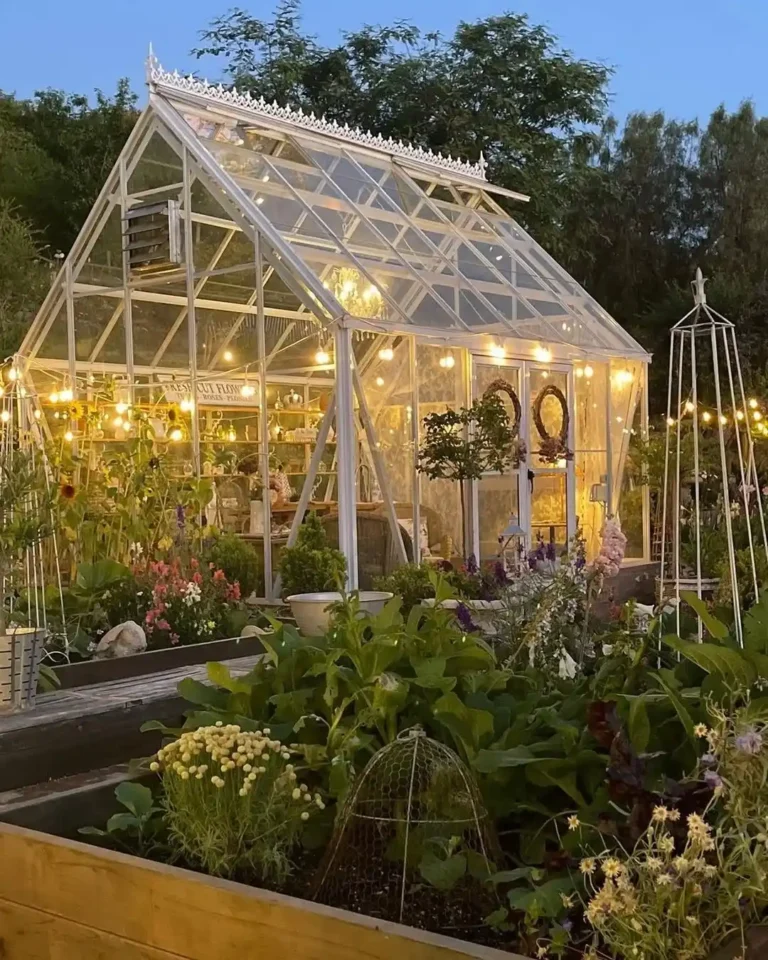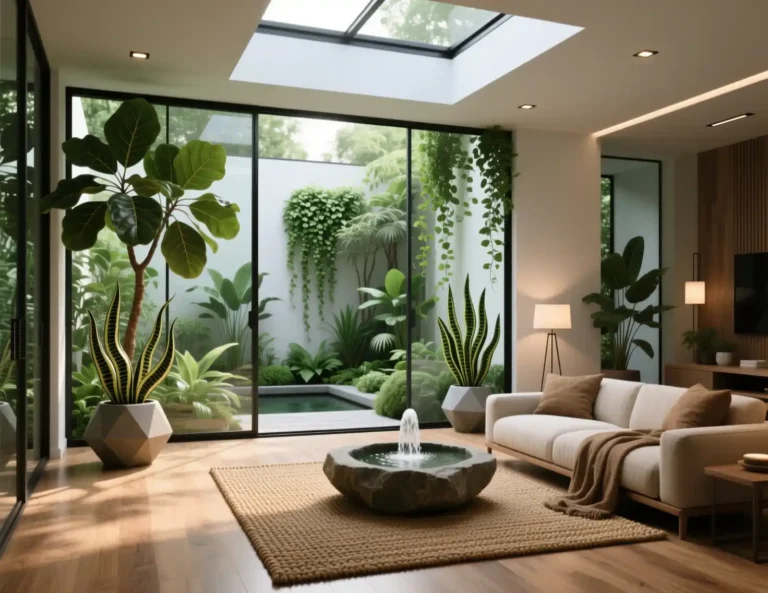
There’s a special magic in a room made of windows — a place where the boundary between inside and out dissolves like morning frost. A window greenhouse isn’t just for starting seeds or overwintering plants; it’s a sanctuary, a sunroom, a year-round garden that lives within your walls. Picture yourself sitting among potted ferns, vines climbing recycled window frames, and golden light pouring through glass like honey through a comb. The air smells of damp soil and growth, and time slows to the pace of unfurling leaves.
Whether you dream of a tiny backyard greenhouse built from reclaimed windows, a white cottage smothered in flowers, or an indoor jungle where couches share space with towering plants, these window greenhouse ideas will awaken your inner gardener. You’ll discover how old windows become walls, how small spaces burst with life, and how glass houses nurture both plants and souls. Step into these light-filled rooms — they breathe like a forest after rain, ready to inspire your own growing sanctuary.
1. Old Greenhouse, New Purpose – Repurposed and Loved
Step into this vintage greenhouse that’s found a second life as something wonderful. A window greenhouse built from reclaimed materials carries history in every pane — the wavy glass, the weathered frame, the stories of plants past. You’ll feel how the space hums with quiet purpose, like an old barn turned into an artist’s studio, full of possibility and light.
Your own window greenhouse doesn’t need to be new or perfect. Old windows salvaged from demolition sites, mismatched panes set into wooden frames, even shower doors repurposed as walls — each imperfection adds character. The plants won’t mind, and you’ll love the stories behind every piece of glass.
2. Small White House, Lots of Windows, Flowers Everywhere
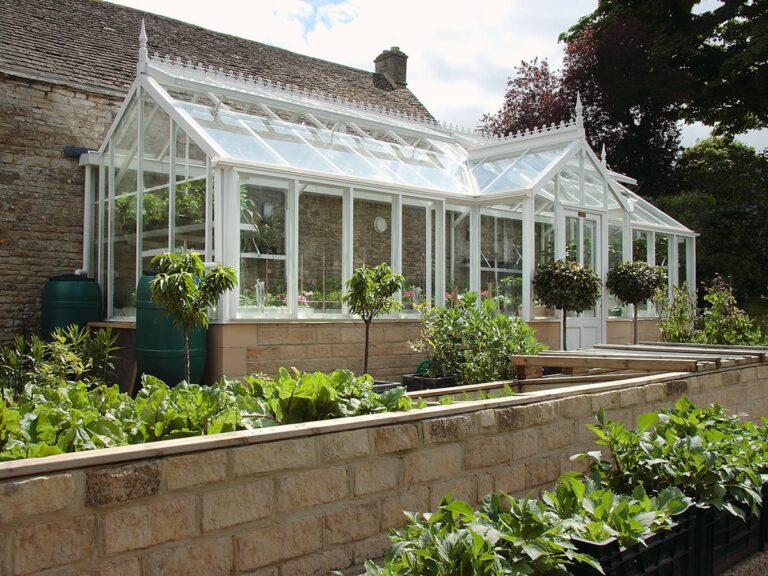
Discover this charming white cottage nearly hidden beneath a cascade of blooms. A window greenhouse doesn’t have to be a separate structure — it can be a room addition that transforms your home into a light-filled haven. The white exterior reflects sunlight, keeping the interior bright without overheating, like fresh snow on a winter morning.
When planning your window greenhouse, consider paint color carefully. White or very pale colors bounce light deeper into the space, while dark colors absorb heat (useful in cool climates). Match your exterior to your home or let the greenhouse stand alone as a garden focal point — like a white bird among green branches.
3. Small White Building, Windows Front and Center
Admire the clean simplicity of this white structure with windows that claim the entire front wall. A well-designed window greenhouse lets light flood from multiple angles, not just one direction. The symmetry feels calming, like a Japanese tea house, while the glass invites the garden inside. You can almost feel the warmth radiating from the image.
Position your window greenhouse to capture southern light if you’re in the Northern Hemisphere — that’s where the sun spends most of its day. East-facing windows catch gentle morning rays, perfect for ferns and shade lovers. West-facing glass brings intense afternoon heat, ideal for succulents and cacti. Know your sun before you build.
4. Small Wooden Greenhouse, Windows and Plants Abundant
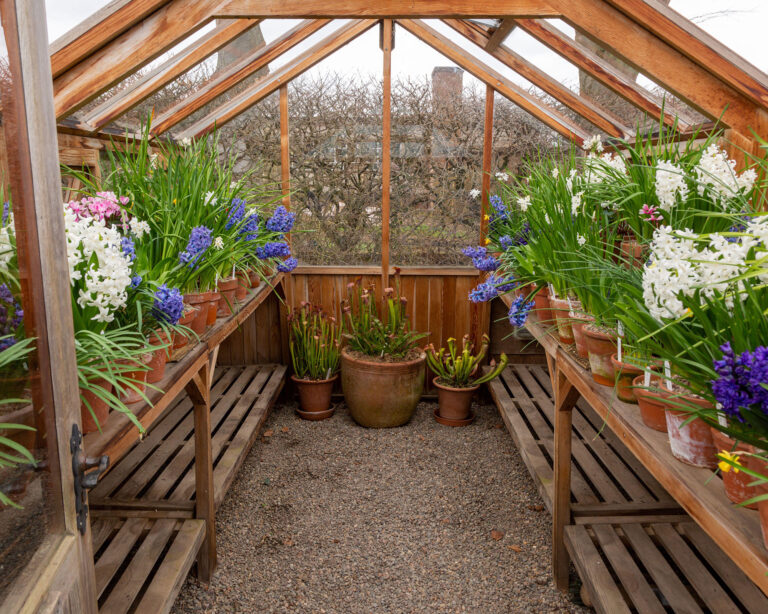
Walk into this cozy wooden greenhouse where every surface holds a plant and every window frames a view. A rustic window greenhouse feels like a forest cabin that happens to be made of glass — the wood warms the space, the plants soften the edges, and the light does its gentle work. You’ll want to bring a book and a cup of tea and stay all afternoon.
Wood and glass pair beautifully in window greenhouse construction. Cedar and redwood resist rot naturally. Pine is affordable but needs sealing. Reclaimed barn wood adds instant character. Whatever you choose, the combination of natural wood and transparent glass will make your greenhouse feel like an extension of the garden rather than an imposition upon it.
5. White Birdcage Filled With Flowers – Whimsical and Wild
Smile at this oversized white birdcage transformed into a flower-filled folly. A window greenhouse can take unexpected forms — it doesn’t have to be a traditional rectangle. This whimsical structure proves that imagination matters more than convention, like a fairy house hidden in the woods, waiting to be discovered by those who wander.
Let your window greenhouse express your personality. A hexagon. A lean-to against an existing wall. A dome made from old windows. A tiny A-frame tucked into a corner. The plants won’t care about the shape, and you’ll smile every time you see it. Sometimes the most memorable gardens break the rules beautifully.
6. White Greenhouse With Potted Plants in Front Windows
Notice how the potted plants line the front windows like eager children watching for the sun. A working window greenhouse prioritizes plant access — every pot should be reachable, every shelf should catch good light. The arrangement here feels deliberate but not rigid, like a group of friends gathered for a conversation, each with their own space and personality.
Plan your window greenhouse shelving and staging before you fill it with plants. Adjustable shelves let you accommodate different heights. Wire shelving allows light to filter downward. Rolling carts make heavy pots mobile. Think of your interior layout as a stage where each plant gets its moment in the spotlight.
7. Small White House With Lots of Windows – Classic Beauty
Appreciate the timeless appeal of a white house made mostly of windows. A traditional window greenhouse like this one serves as both plant nursery and peaceful retreat. The glass panes reflect the sky and clouds, making the structure seem to change with the weather, like a lake that shows different moods with every passing hour.
Consider adding a small seating area to your window greenhouse. A single chair, a tiny table, a place to set your coffee. Greenhouses aren’t just for plants — they’re for people who need a dose of green in the middle of winter, a warm spot on a cool spring day, a place to watch rain fall on glass while staying dry.
8. Small Greenhouse, Potted Plants, Open Door
Feel the invitation of an open greenhouse door on a temperate day. A welcoming window greenhouse blurs the line between inside and out — leave the door open, let butterflies visit, let the scent of blooming things drift into your garden. The plants appreciate the fresh air circulation, and you’ll appreciate the connection to your larger landscape.
Ventilation is critical in any window greenhouse. Include operable windows, roof vents, or an exhaust fan. Even a simple screened door propped open on warm days prevents overheating. Stagnant air invites mold and pests; moving air keeps plants healthy. Your greenhouse should breathe like a living thing, because in a way, it is.
9. Reclaimed Wood Greenhouse – Rustic and Sustainable
Marvel at this greenhouse built from wood that once lived another life. A sustainable window greenhouse made from reclaimed lumber carries the patina of age — nail holes, saw marks, weather-beaten gray. The rustic frame contrasts beautifully with bright green plants, like an old barn surrounded by new wildflowers, full of contrast and character.
Building with reclaimed materials for your window greenhouse saves money and the planet. Check demolition sites, Habitat for Humanity ReStores, and online marketplaces for used windows and lumber. The hunt becomes part of the pleasure, and every scar on the wood tells a story. Your greenhouse will be one of a kind, impossible to buy from a catalog.
10. Small Wooden Building With Many Windows
Notice the rhythm of this small wooden structure — windows spaced like musical notes along a staff. A proportional window greenhouse balances glass and solid wall to create visual interest while maximizing light. Too much glass can overheat in summer; too little defeats the purpose. This design strikes a perfect equilibrium, like a song that knows when to be loud and when to be quiet.
When sizing your window greenhouse, aim for glass coverage on at least 60% of the wall area if you want to grow sun-loving plants. Add shade cloth for summer or deciduous vines that provide cooling leaves when you need them most. The right balance keeps your greenhouse comfortable year-round, a temperate paradise regardless of weather outside.
11. Old Window Filled With Potted Plants – Vertical Garden Art
Look closely at this single old window repurposed as a living picture. A window greenhouse doesn’t need to be a whole building — even a single salvaged frame, fitted with shelves and filled with small pots, becomes a piece of living art. The contrast between weathered wood and fresh green growth is stunning, like a Renaissance painting that’s grown its own garden.
Start small with your window greenhouse ambitions. One vintage window hung on an exterior wall, with small pots of succulents or herbs. A cold frame made from an old storm door. A glass-fronted cabinet turned terrarium. Small projects teach you skills and satisfy the itch while you dream bigger. Every giant greenhouse began with a single seed of an idea.
12. Marietta Georgia – Greenhouse Photography Venue
Imagine this greenhouse as a backdrop for weddings, portraits, and garden parties. A generous window greenhouse can become a community treasure — open it for tours, rent it for events, share the joy of growing things. The light inside is soft and flattering, filtered through glass and leaves, like nature’s own photography studio.
If you build a larger window greenhouse, consider its potential beyond your own use. A bench for sitting. Paths wide enough for wheelchairs. Space for a small table and chairs. The most beloved greenhouses are shared spaces, where friends gather and memories grow alongside the plants, like wildflowers spreading seeds on the wind.
13. Small Glass House Sitting in the Middle of a Yard
See this glass house as a jewel box in a green setting. A freestanding window greenhouse placed in the center of a lawn becomes a focal point — a destination within your garden, something to walk toward and enter. The surrounding grass and trees reflect in the glass, making the structure seem to disappear and reappear, like a deer half-hidden in dappled light.
Choose the site for your window greenhouse carefully. Level ground, good drainage, protection from prevailing winds. Near a water source. Close enough to your house for easy access in bad weather. Orient it for maximum light. The location will determine your greenhouse’s success as much as its construction — choose as wisely as a farmer choosing a field.
14. Small White Greenhouse Sitting in the Middle of a Yard
Contrast this white greenhouse with the green lawn around it. A painted window greenhouse stands out like a beacon, visible from every corner of your property. White reflects heat (keeping interiors cooler in summer) and looks crisp against blue sky. The structure becomes a garden ornament as much as a growing space, like a white bird landing among green grass.
Paint your window greenhouse a color that brings you joy. Soft green blends with plants. Deep blue recedes into the sky. Pale yellow glows on cloudy days. Avoid black or dark brown — they absorb heat and can cook your plants in summer. The right color keeps your greenhouse cool and your spirits high every time you see it.
15. Room Filled With Potted Plants – Indoor Jungle
Breathe deeply in this room where potted plants have taken over every surface. An indoor window greenhouse doesn’t have to be a separate building — it can be a sunroom, a porch, or even a bright bathroom. The plants here aren’t just decor; they’re inhabitants, filling the air with oxygen and the room with life, like a forest that’s somehow grown inside four walls.
Turn any bright room into a window greenhouse by adding plants on multiple levels. Floor pots for tall specimens, shelves for trailing vines, hanging planters from ceiling hooks, window ledges for succulents. The layered greenery softens architecture and absorbs sound, creating a space that feels alive. You’ll find excuses to spend more time in this room, reading, thinking, just being.
16. Small Wooden Greenhouse, Windows and Roof
Look up at the glass roof of this charming wooden greenhouse. A full window greenhouse includes glazing overhead, capturing light from above as well as the sides. The effect is transformative — rain sounds different on glass, stars become visible on clear nights, and plants grow toward the sky with an enthusiasm you can almost feel, like sunflowers tracking the sun.
Glass roofs in a window greenhouse need special consideration. Use tempered or laminated glass for safety. Polycarbonate panels are lighter, cheaper, and less breakable but can scratch and yellow over time. Whatever you choose, ensure proper sealing against leaks. A roof that drips on your head is romantic exactly once; every time after, it’s annoying.
17. Greenhouse Filled With Green Plants – The Monochrome Garden
Surround yourself with every shade of green imaginable in this plant-packed greenhouse. A foliage-focused window greenhouse proves that flowers are optional — the variations in leaf shape, size, and color create endless interest. From the dark green of a monstera to the pale silver of a pilea, the palette is richer than any rainbow, like a forest that needs no flowers to be beautiful.
Collect foliage plants for your window greenhouse that thrive in your specific light conditions. Ferns for shade, succulents for sun, calatheas for humidity. Mix textures: smooth, fuzzy, ruffled, spiky. The all-green garden is subtle, sophisticated, and surprisingly low-maintenance — no deadheading, no waiting for blooms, just steady, quiet growth, like a meditation made visible.
18. Kitchen Filled With Potted Plants – Cooking With Greenery
Cook surrounded by living plants in this kitchen that doubles as a greenhouse. A sunny kitchen window can become a micro window greenhouse — herbs on the sill, trailing vines along the cabinets, a small citrus tree in the corner. The plants soften the hard surfaces of the kitchen and remind you that cooking connects you to the earth, like a modern hearth with green companions.
Grow culinary herbs in your kitchen window greenhouse for the freshest flavors. Basil, thyme, rosemary, mint, oregano — all thrive in bright windows. The convenience is addictive: snip what you need while the pan heats, no trip to the store required. And the scent of brushed herbs fills your kitchen with garden fragrance, a perennial reminder that food comes from living things, not just packages.
19. Room Filled With Potted Plants – The Living Sanctuary
Find peace in this room where plants outnumber furniture and the air feels cleansed. A dedicated window greenhouse room in your home becomes a sanctuary for both plants and people. The humidity naturally rises, beneficial for tropical species and human skin alike. The green calms the mind, lower stress just by existing, like a forest bathing retreat that never requires travel.
Create a rest area within your window greenhouse — a comfortable chair, a small side table, good reading light for evenings. This space will become your favorite spot for morning coffee, afternoon naps, or evening contemplation. The plants don’t ask anything of you except occasional water, and they give back oxygen, beauty, and the quiet satisfaction of tending living things.
20. Indoor Greenhouse – Several Plants Growing in Pots
Start your indoor gardening journey with this manageable collection of potted plants. A beginner window greenhouse might just be a sunny corner with a grow light and a few shelves. The plants here aren’t overwhelming — a manageable number that can be watered and monitored easily. The arrangement proves that you don’t need a full glass house to enjoy greenhouse benefits, like a small garden that still produces enough tomatoes for summer salads.
Grow lights extend the possibilities of your window greenhouse into darker months or darker rooms. LED panels are affordable and energy-efficient. Position them close to plants (a few inches away for seedlings, a foot or two for established plants). With artificial light, you can grow orchids in a basement, tomatoes in a closet, lettuce in a north-facing room. The sun is generous, but technology helps.
21. Small White House Sitting on a Wooden Base
Notice the raised wooden foundation lifting this white greenhouse off the ground. A well-built window greenhouse starts with a solid base — treated lumber, concrete blocks, or a gravel pad. Elevation improves drainage, prevents rot, and makes cleaning underneath possible. The structure sits like a birdhouse on a post, light and airy, protected from ground moisture.
Foundation choices for your window greenhouse depend on your climate and permanence goals. A simple gravel bed allows drainage and suppresses weeds. Concrete slab provides a solid, level floor (and thermal mass that moderates temperatures). Wood skids make the greenhouse movable if you might change locations. Your foundation is the unseen hero of your greenhouse, as important as the soil beneath a forest.
22. Handmade Greenhouse From Recycled Windows – DIY Dream
Build this beautiful greenhouse yourself using windows salvaged from old homes. A handmade window greenhouse is a badge of honor — every mismatched pane, every uneven frame tells the story of your effort. The charm of recycled construction outweighs any lack of polish, like a handmade quilt whose stitches show love rather than factory perfection.
Collect windows for your window greenhouse over months or years. Look for different sizes that can be framed together. Remove old paint carefully (test for lead if pre-1978). Arrange them like a puzzle, filling gaps with new glass or polycarbonate. The process is part of the pleasure — the hunt, the discovery, the slow assembly of something unique. Your greenhouse will be the only one like it in the world, because you built it with your own hands.
23. Inside a Glass House – Lots of Plants and Couches
Sit among the plants on comfortable couches inside this generous glass house. A habitable window greenhouse blurs every line — is it a living room with many plants or a greenhouse with furniture? The distinction doesn’t matter. The space works for both people and plants, a shared habitat where humans relax and greenery thrives, like a forest clearing that welcomes both deer and hikers.
Furnish your window greenhouse with weather-resistant pieces. Wicker, teak, aluminum, or synthetic rattan withstand humidity and occasional drips. Skip indoor-only fabrics that would mold. Outdoor cushions with removable, washable covers work well. Your greenhouse furniture should be as tough as your plants, ready for moisture and mud, comfortable enough for lazy afternoons.
🌱 The Sun-Catcher’s Handbook: 6 Ways to Build and Nurture Your Window Greenhouse
- 🪟 Salvage First, Buy Second: The most character-filled window greenhouse starts at architectural salvage yards, demolition sites, and online marketplaces. Old windows cost pennies compared to new and carry a century of weather in their wavy glass. Each pane holds stories — let your greenhouse collect them like a museum of light.
- ☀️ Orient for Morning and Afternoon: A south-facing window greenhouse gets the most light year-round (in the Northern Hemisphere). East catches gentle morning rays perfect for ferns. West brings intense afternoon heat, ideal for succulents. Know your sun before you set a single post — orientation is destiny for your plants.
- 💧 Automate Watering for Consistency: The best window greenhouse includes drip irrigation on a timer, especially if you travel. Water is the difference between thriving and surviving. Consistent moisture reduces plant stress and pest problems. Your plants will reward reliable watering with growth that surprises you, like children who flourish with dependable meals and bedtime.
- 🌡️ Ventilation Is Non-Negotiable: Every window greenhouse needs operable vents — roof windows that open, side windows that crank out, or at least a fan. Stagnant air breeds mold, mildew, and despair. Moving air strengthens stems and dries leaves. Your greenhouse should breathe like a living creature, inhaling fresh air and exhaling oxygen.
- 🪴 Choose Plants for Your Conditions: An honest window greenhouse matches plants to light and temperature, not wishes. Succulents for hot, dry. Ferns for cool, humid. Herbs for bright, mild. Fighting nature exhausts you and your plants. Instead, let your greenhouse become the ecosystem it wants to be — you’ll find joy in working with, not against, the conditions.
- 🧹 Embrace Imperfection and Ongoing Care: A living window greenhouse is never finished. Windows need washing, plants need repotting, soil needs refreshing. The weekly maintenance is part of the pleasure — a ritual of connection to growing things. Your greenhouse will teach you patience and reward consistency, like a garden that forgives occasional neglect but celebrates regular attention.
Frequently Asked Questions
Q: How much does it cost to build a window greenhouse from salvaged materials?
Ans: A DIY window greenhouse can cost as little as $500-$1,500 if you source windows and lumber used. New windows and professional construction might run $5,000-$20,000 or more. The frugal approach takes longer but yields unique character that money can’t buy. Your budget and timeline will guide you — both routes lead to a space filled with light and life, like two different paths to the same beautiful meadow.
Q: Do I need a foundation for my window greenhouse?
Ans: Yes, even a simple one. A window greenhouse needs a level, drained base — gravel, concrete blocks, pressure-treated skids, or a full slab. The foundation prevents rot, keeps out pests, and provides stability against wind. A greenhouse set directly on soil will sink, lean, and decay within a few years. Build on a proper base, and your grandchildren could still be growing tomatoes in your structure decades from now.
Q: How do I heat my window greenhouse in winter?
Ans: Electric space heaters with thermostats are safest for small window greenhouse spaces. For larger structures, consider gas or radiant floor heat. Passive solar helps — water barrels painted black absorb daytime heat and release it at night. Bubble wrap insulation on interior glass reduces heat loss. Determine your winter goals: keeping it frost-free (40°F/4°C) or toasty warm (65°F/18°C). Each target requires different energy, like choosing between a jacket or a coat for a winter walk.
Q: Can I use my window greenhouse year-round in a cold climate?
Ans: Yes, with insulation and heat. A four-season window greenhouse in northern zones requires double-pane glass or polycarbonate, insulated foundation, and a reliable heat source. South-facing orientation is essential. Expect higher utility bills in winter. Alternatively, use your greenhouse for cold-tolerant plants (kale, lettuce, pansies) that survive near-freezing temperatures without expensive heating. Your greenhouse can work year-round, but the definition of “work” changes with the seasons, like a summer cabin that becomes a cozy winter retreat with a wood stove.
Q: What plants grow best in a window greenhouse?
Ans: Match plants to your light and temperature. For bright, warm window greenhouse spaces: orchids, citrus, succulents, bougainvillea, tomatoes, peppers. For cooler, shadier conditions: ferns, calatheas, begonias, lettuce, herbs. Experiment with a few favorites and let failures teach you. Every greenhouse develops its own microclimate and personality, like a garden that chooses its own wildflowers. The plants that thrive in your space are the right plants, regardless of any book’s recommendation.
Conclusion
You’ve wandered through twenty-three sun-drenched visions of what a window greenhouse can be — from tiny white cottages smothered in flowers to grand glass houses with couches among the ferns, from recycled window patchworks to purpose-built sanctuaries of light. Each image whispered a different promise: a place to start seeds in February, to drink coffee while rain falls on glass, to escape January’s gray in a pocket of green. These spaces aren’t just about plants; they’re about the people who tend them, the quiet joy of growth, and the particular magic of light transformed through glass into life.
So gather your salvaged windows and your dreams. Mark where the sun falls in your yard. Sketch a foundation, collect some lumber, and begin. Your window greenhouse doesn’t need to be perfect on the first try; it needs to be started. The plants will arrive when the structure is ready, and they’ll fill the space with oxygen and beauty faster than you imagine. Step into the light, feel the warmth on your face, and start building the glass room where your own growing story begins — one window, one plant, one quiet afternoon at a time.