Step into a space where every element has purpose, where empty space is as important as filled space, and where the boundary between inside and outside blurs like mist on a mountain. A japanese house interior is more than a style — it’s a philosophy of calm, simplicity, and deep respect for natural materials. You’ll love how the clean lines, neutral palettes, and thoughtful placement of a single branch in a vase can make a room feel like a meditation retreat, like walking through a quiet forest after rain.
From wood floors and white ceilings to sliding shoji screens, from tatami mats to ikebana flower arrangements, these japanese house interior ideas will inspire you to declutter your space and your mind. Imagine living rooms filled with only the essential furniture, hallways that feel like tranquil galleries, and bedrooms where a low platform bed sits beside a simple table. Your home can be that peaceful. Let’s find the calm within your walls.
Wabi-Sabi Whispers: Japanese House Interior Inspirations from the Pinterest Trail
1. Light & Airy – Wood Floors, White Ceiling, Pure Calm
Let simplicity breathe with a living room anchored by warm wood floors and a crisp white ceiling. This japanese house interior foundation feels open and uncluttered, like a zen garden viewed from a quiet veranda. You’ll love how the light bounces off the white above while the wood grain below adds organic warmth, the perfect balance of yin and yang.
In a japanese house interior, keep walls light or neutral — white, cream, or soft beige — and let the floor provide the warmth. Choose wood with a natural, matte finish. The absence of dark, heavy ceilings keeps the room feeling expansive and serene.
2. Intentional Abundance – Furnished With Purpose
Fill your living room with furniture that earns its place — each piece chosen for function and beauty. This japanese house interior isn’t minimalist in the sense of empty; it’s minimalist in the sense of intentional. You’ll appreciate how a low sofa, a simple coffee table, and a single floor lamp can create a cozy, grounded gathering space without clutter.
For a japanese house interior, choose furniture with low profiles and clean lines. Think platform sofas, kotatsu tables, and floor cushions. Keep upholstery in natural fibers and neutral colors. The room should feel like a warm hug, not a museum.
3. The Clean Slate – Ready for Life, Ready for Calm
Start with a clean, empty feeling room that’s ready for whatever the day brings. This japanese house interior principle is about leaving space for life to happen — the floor is clear, the surfaces are bare, and the potential is endless. You’ll feel your shoulders drop as you enter, the absence of clutter creating an absence of stress.
A clean japanese house interior requires disciplined storage. Everything has a home behind closed doors — cabinets, closets, or tansu chests. What remains visible is intentional: a single piece of art, a single plant, a single book. The emptiness is the luxury.
4. The Journey Begins – Traditional Sliding Doors in the Hallway
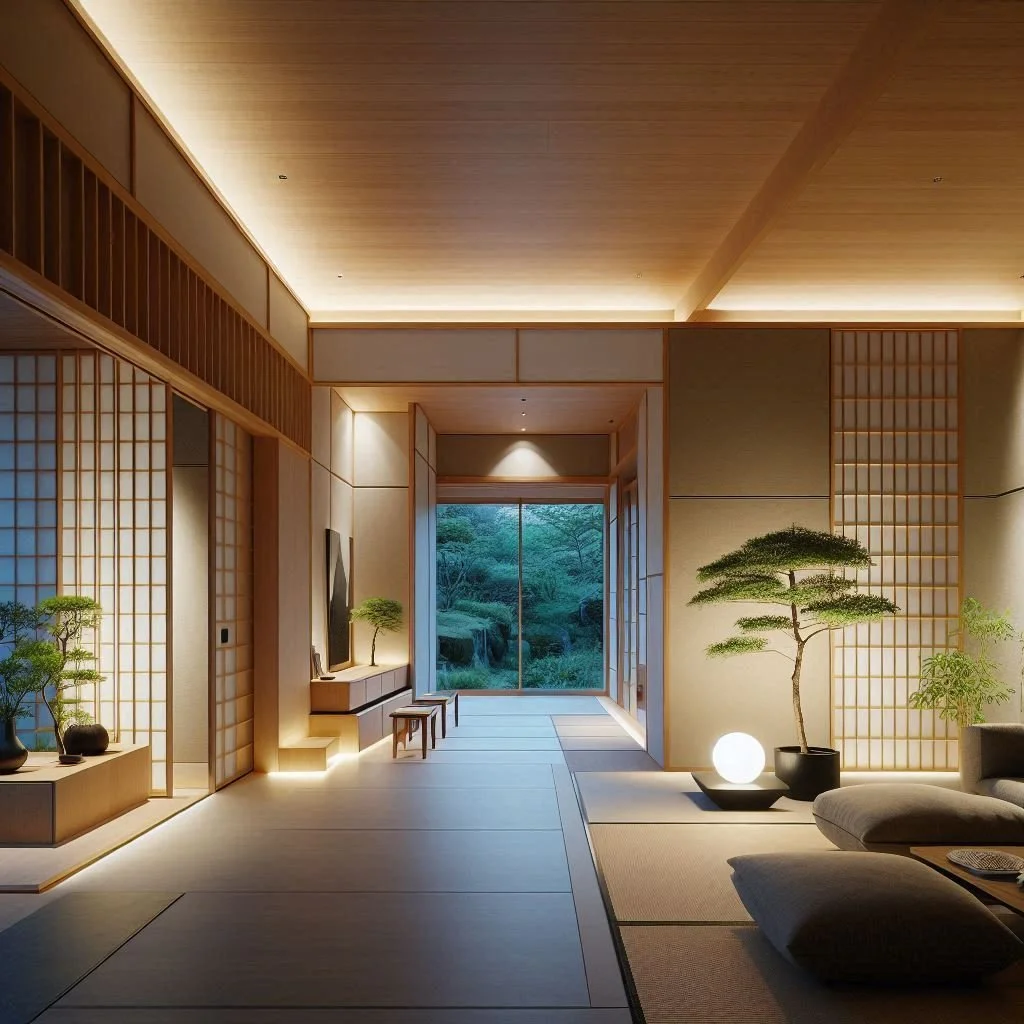
Frame your path with traditional Japanese sliding doors — shoji screens made of translucent paper and wood lattice. This japanese house interior element turns a simple hallway into a tranquil journey, the soft light filtering through the paper like morning sun through leaves. You’ll love how the doors slide silently, a gentle reminder to move through the house with mindfulness.
Shoji screens can separate rooms or cover closets in a japanese house interior. They diffuse light beautifully and add instant authenticity. If you can’t install true shoji, look for sliding panels with frosted glass or rice paper in wooden frames.
5. Platform Slumber – Low Bed Beside a Simple Table
Rest close to the earth on a low platform bed, with a simple table nearby holding a lamp and a book. This japanese house interior bedroom feels grounded and intimate, the bed almost floating on the wood floor. You’ll sleep more deeply when the mattress is just a step from the ground, like camping indoors.
A platform bed is the centerpiece of a japanese house interior bedroom. Choose one with clean lines, no footboard, and natural wood. Keep bedding minimal — white or cream linens, a single folded blanket, perhaps a thin mattress topper. The low profile makes the ceiling feel higher.
6. Indoor Garden – Plants as Living Sculpture
Bring the forest inside with a living room filled with lots of plants, each one placed like a living sculpture. In a japanese house interior, plants aren’t just decoration — they’re a connection to nature, a reminder of the garden just beyond the window. You’ll love how the green leaves soften the clean lines and add a vital, breathing energy.
Choose plants with sculptural qualities for a japanese house interior: bamboo, bonsai, Japanese maple, or simple ferns. Use unglazed ceramic pots in earthy tones. Group plants in odd numbers, and leave negative space around them. They should feel like part of the architecture.
7. Functional Layers – Furniture Arranged With Flow
Arrange furniture to promote flow in a living room filled with essential pieces, each placed to allow easy movement. This japanese house interior principle comes from the concept of “ma” — the space between objects. You’ll appreciate how easy it is to walk from door to window without weaving around obstacles.
Leave at least 36 inches of walking space between furniture in a japanese house interior. Push sofas against walls when possible to open the center of the room. Use low furniture to keep the sightlines clear. The goal is a room that feels both full of purpose and empty of obstruction.
8. Wood-Wrapped Warmth – Wood Paneling as a Feature
Wrap your living room in wood paneling for a japanese house interior that feels like a traditional teahouse. The wood adds warmth and texture, absorbing sound and creating a sense of enclosure. You’ll love how the grain becomes a living pattern, changing with the light throughout the day.
Use wood paneling on one accent wall or the ceiling for a less intense version of this japanese house interior look. Choose a light wood — cedar, pine, or bamboo — to keep the space feeling airy. Keep furniture neutral so the wood remains the star.
9. Symmetrical Serenity – Balanced Furniture Placement
Find peace in symmetry by placing matching furniture on either side of a central axis. This japanese house interior trick creates order and calm — two low sofas face each other, a coffee table sits between, and the room feels balanced like a scale. You’ll appreciate the visual harmony every time you enter.
Symmetry in a japanese house interior doesn’t have to be rigid. Two chairs of the same style, but with different cushions. Two lamps of the same height, but different shades. The repetition creates rhythm without being monotonous.
10. Single Statement – A Couch, a Table, One Painting
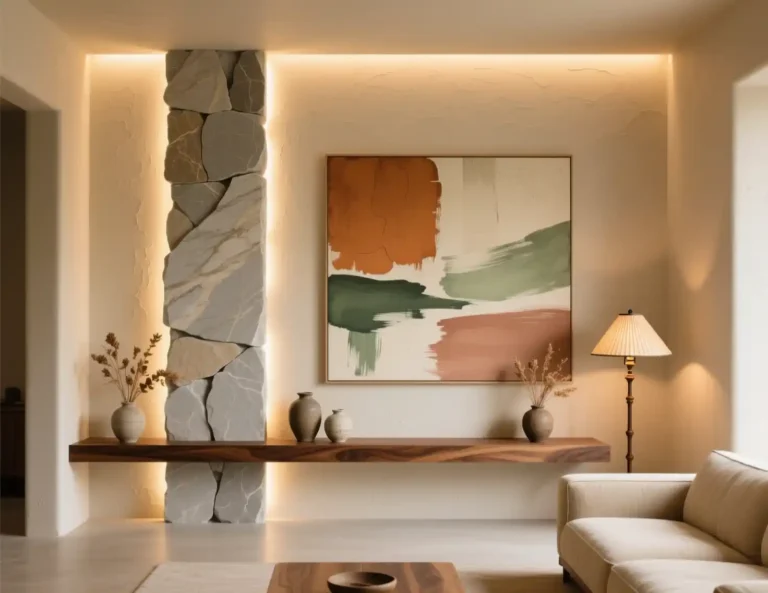
Let one piece of art speak above a simple couch and coffee table. This japanese house interior composition is minimalist but not cold — the single painting, perhaps a sumi-e ink wash or a subtle landscape, becomes the room’s voice. You’ll feel how the empty wall around it amplifies its impact, like a single haiku on a blank page.
Choose a painting with a quiet subject for your japanese house interior: a bamboo grove, a mountain, a single plum blossom. Keep the frame simple — thin wood or black lacquer. The art should invite contemplation, not demand attention.
11. Double the Seating – Two Couches Facing Inward
Create a conversation pit with two couches facing each other across a low coffee table. This japanese house interior layout encourages connection — no television as a focal point, just people talking. You’ll love how the arrangement feels intimate and intentional, like a traditional engawa porch where friends gather.
Choose sofas with low backs and clean lines for this japanese house interior setup. A square or round coffee table works best. Add a floor lamp or a single ikebana arrangement to the table. The room will naturally draw people into the center.
12. Clean & Pure – The Japanese Bathroom Aesthetic
Carry the calm into the bathroom with a white toilet and simple sink, uncluttered and spotless. In a japanese house interior, even utilitarian spaces are treated with respect — the toilet is often in a separate room from the bath, each area designed for a specific purpose. You’ll appreciate the feeling of purity every time you enter.
A japanese house interior bathroom uses natural materials where possible: wood vanity, stone sink, bamboo mat. Keep counters bare except for a single soap dispenser. A small plant or a piece of art adds a touch of beauty without clutter.
13. Vertical Restraint – Furniture Low, Air High
Keep the lower half of the room filled with essential furniture, but leave the upper walls bare and airy. This japanese house interior strategy draws the eye horizontally rather than vertically, creating a sense of spaciousness. You’ll love how the empty upper walls make the ceiling feel higher and the room more open.
A japanese house interior often has a band of empty wall above windows and doors. Resist the urge to hang art high up. Keep all wall decorations between seated and standing eye level. The space above is for breathing.
14. Curated Bookshelf – A Library of Calm
Fill a low bookshelf with a curated collection of books, each one visible with its spine facing out. In a japanese house interior, even books are displayed with restraint — no overflowing shelves, no stacks of paperbacks. You’ll appreciate how the tidy row of books becomes a design element, the varied colors and sizes a quiet pattern.
Choose a low, wide bookshelf for your japanese house interior. Keep it no higher than waist level. Organize books by color or height for visual calm. Leave empty spaces between stacks, and add a single small object — a stone, a vase — as a resting point for the eye.
15. Art That Blends – Paintings as Quiet Accents
Choose paintings that don’t shout for your japanese house interior — subtle ink washes, faded landscapes, or minimalist abstracts. The art should blend with the room, not compete with it. You’ll love how the quiet images reward close looking, revealing details over time, like a path in a garden that reveals itself slowly.
Hang paintings slightly lower than you might in a Western interior — the center of the image at about 55 inches from the floor. Use simple, natural frames. The art should feel like a window into a calm, contemplative world.
16. Light & Dark – Wood Paneling with White Furniture
Pair warm wood paneling with crisp white furniture for a japanese house interior that feels balanced and bright. The dark wood grounds the room, the white furniture lifts it. You’ll love how the contrast creates visual interest without needing pattern or color, like a landscape of snow and evergreens.
White furniture in a japanese house interior should be simple — white linen sofas, white lacquered tables, white ceramic lamps. The white reflects light and keeps the wood from feeling too heavy. Add a few natural accents — a jute rug, a bamboo basket — to connect the two.
17. Ready for Tea – A Room Waiting for the Moment
Imagine a room prepared for a tea ceremony — spotless, sparse, and full of potential. This japanese house interior ideal isn’t about emptiness for its own sake; it’s about being ready for whatever comes next. You’ll feel the room’s hospitality in its cleanliness, its openness to life.
To achieve this japanese house interior feeling, establish a daily habit of tidying. Wipe surfaces, fluff cushions, return objects to their homes. The room should look as if it’s waiting for a guest, even when you’re alone.
18. Zen Passage – A Hallway as a Retreat
Transform a simple hallway into a Zen retreat with soft lighting, natural materials, and a single piece of art or a plant. This japanese house interior approach turns a transition space into a destination. You’ll find yourself pausing here, breathing, before moving on to the next room.
In a hallway japanese house interior, use warm, indirect lighting — wall sconces or paper lanterns. Add a small bench for taking off shoes. Place a single scroll or a branch in a vase at the end of the hall. The journey becomes as important as the arrival.
19. Inside & Outside – Architecture That Invites Nature
Blur the boundary between inside and out with large windows, sliding glass doors, and a seamless transition to a garden or patio. This japanese house interior principle is about living with nature, not separated from it. You’ll love how the outdoors becomes an extension of your living space, the seasons visible from your couch.
Even in an apartment, you can create this japanese house interior feeling. Place plants near windows, use nature-inspired art, and keep window treatments minimal. The goal is to feel the rhythm of the natural world from inside your home.
20. Mindful Dining – A Table Set With Intention
Set your dining table with care — placemats aligned, plates centered, chopsticks parallel. In a japanese house interior, even everyday meals become rituals. You’ll appreciate how the simple act of setting the table mindfully can turn a rushed dinner into a moment of gratitude.
Choose simple, natural materials for your japanese house interior table: ceramic plates in neutral colors, wooden chopsticks, linen napkins. A single seasonal flower or a small branch in a vase completes the arrangement. Eat without distractions — no television, no phones — and savor each bite.
21. Staircase as Sculpture – Wood & Light
Let the staircase become a work of art in your japanese house interior — floating wooden treads, simple railings, soft light filtering through the risers. The staircase is no longer just functional; it’s a sculptural element that draws the eye upward. You’ll love how the repetition of treads creates a calming rhythm.
Keep staircases open in a japanese house interior. Use wood that matches your floors. Install strip lighting under each tread for a floating effect. Avoid clutter on or under the stairs — the clean lines are the decoration.
22. Furniture as Islands – Creating Zones in an Open Room
Use furniture to create distinct zones in a large living room without building walls. A japanese house interior often divides spaces through arrangement rather than architecture — a low bookshelf separates the seating area from the dining area, a tatami mat defines a meditation corner. You’ll appreciate the flexibility and the open flow.
In an open japanese house interior, use rugs to anchor zones. A low sofa defines the living area; a low table and cushions define the dining area. Keep the furniture low so sightlines remain clear across the room.
23. Restrained Decor – A Few Objects, Carefully Chosen
Choose each decorative object with intention in your japanese house interior. A single ceramic vase on the coffee table. One calligraphy scroll on the wall. A single branch in a simple container. You’ll love how the restraint makes each object significant, like a single perfect note in a piece of music.
Rotate your decorative objects seasonally in a japanese house interior. A summer bamboo arrangement gives way to autumn maple leaves, winter pine, spring cherry blossoms. The changing objects keep the room connected to the natural world.
24. Final Harmony – Plants, Furniture & Empty Space
Step back and see the whole composition — a japanese house interior where plants, furniture, and empty space are in perfect balance. The room is neither crowded nor barren; it’s just right. You’ll feel the wabi-sabi beauty of imperfection, the quiet joy of a space that welcomes you without demanding anything.
The ultimate japanese house interior is one you don’t notice — you just feel better when you’re inside. The furniture supports your body, the light pleases your eyes, the air smells of wood and green things. This is the goal: a home that heals, that holds you, that lets you simply be.
🎋 The Zen Blueprint: 6 Steps to an Authentic Japanese House Interior
- 🎍 Embrace Wabi-Sabi: Imperfection is beautiful. In a japanese house interior, a slightly uneven handmade bowl has more value than a perfect mass-produced one. Choose natural materials that age gracefully: wood, stone, paper, clay. Let things show their wear — it’s called character.
- Keep It Low: Low furniture opens up a room. In a japanese house interior, choose platform beds, low sofas, and floor cushions. The lower profile makes ceilings feel higher and creates a more grounded, intimate feeling.
- 🌿 Bring Nature In: A single branch in a vase. A small bonsai on a shelf. A piece of driftwood as sculpture. In a japanese house interior, every room should have a living or natural element that connects it to the outdoors.
- 📏 Leave Empty Space: Ma — the space between objects — is as important as the objects themselves. In a japanese house interior, resist the urge to fill every corner. The emptiness is what makes the room feel peaceful.
- 💡 Filter Your Light: Harsh overhead light has no place in a japanese house interior. Use shoji screens, paper lanterns, and floor lamps. Light should feel soft, diffused, and gentle, like sunlight through a forest canopy.
- 🧺 Edit, Edit, Edit: Before you buy something new for your japanese house interior, ask: Do I truly need this? Does it bring me joy? Does it fit the calm aesthetic? If the answer to any is no, leave it at the store. A minimalist home is a mindful home.
Frequently Asked Questions
Q: What’s the difference between Japanese and Japandi interior design?
Ans: A japanese house interior is pure traditional Japanese design — tatami mats, shoji screens, tokonoma alcoves. Japandi is a fusion of Japanese minimalism and Scandinavian coziness (hygge). Japandi tends to be warmer and more neutral, with more textiles and softer edges. Both are beautiful; Japanese is more traditional, Japandi more hybrid.
Q: Can I create a Japanese house interior in a small apartment?
Ans: Absolutely. A japanese house interior actually works brilliantly in small spaces because it values empty space and low furniture. Use light colors, multifunctional pieces (like a kotatsu table that’s also a heater), and vertical storage. The principles of ma (space) and wabi-sabi (imperfect beauty) are universal, not dependent on square footage.
Q: What are the essential colors for a Japanese house interior?
Ans: Neutral, natural, and muted. A japanese house interior uses white, cream, beige, soft gray, and warm wood tones as the base. Accents come from nature: the green of a bamboo plant, the brown of unglazed pottery, the black of a sumi-e ink painting. Avoid bright, saturated colors — they disturb the calm.
Q: Is a Japanese house interior expensive to create?
Ans: It can be, but it doesn’t have to be. The philosophy of a japanese house interior is about intentionality, not cost. A simple branch in a thrifted vase is more Japanese than an expensive plastic decoration. Invest in a few quality pieces (a low platform bed, a few ceramic vessels) and keep the rest simple. The space, not the stuff, is the luxury.
Q: How do I incorporate tatami mats into my home?
Ans: Tatami mats are traditional Japanese flooring made of rice straw and rush grass. In a japanese house interior, they’re typically used in tea rooms or bedrooms. Tatami is soft but delicate — it stains easily and can’t get wet. If you want the look without the maintenance, consider tatami-style mats or carpet tiles in a similar grid pattern. Or use a single mat as a meditation area.
Conclusion
You’ve walked a quiet path through a world of calm — from wood floors and sliding shoji screens to platform beds and single branches in simple vases. Each of these japanese house interior ideas shares a common philosophy: less is more, nature is sacred, and empty space is not a void but a possibility. This is design as meditation, a home that doesn’t demand your attention but instead offers you rest. The Japanese aesthetic of wabi-sabi teaches us to find beauty in imperfection, to honor the worn and the weathered, to see the grace in a single flower rather than a whole bouquet.
Now it’s your turn to bring this tranquility into your own home. Start small — clear one surface, add a single plant, replace a harsh overhead light with a soft lamp. Or go deeper — build a low platform bed, install a shoji screen, create a corner for tea or meditation. Whatever path you choose, your japanese house interior will become more than a style; it will become a practice, a daily reminder to breathe, to simplify, and to find joy in the space between things. Your peaceful home is waiting. Go ahead and let it be. 🎋